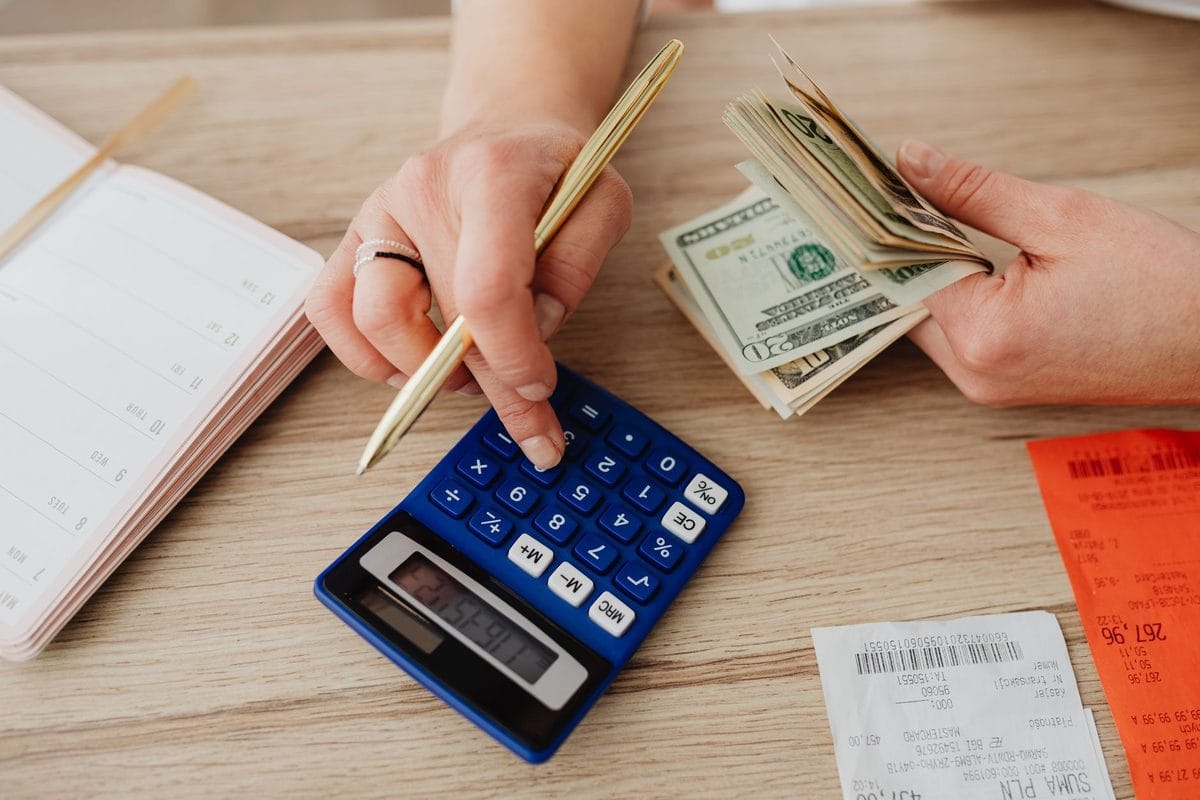
Somewhere in your bank statement there is a payment you forgot you set up. A trial that turned into a £9.99 monthly habit, a gym you stopped using in February, a cloud-storage tier you doubled three years ago and never trimmed. None of these feel large on their own, and that is exactly why they survive. Run the numbers across a year, though, and the typical UK household is quietly paying for a small holiday's worth of things it barely touches.
Mid-June is a genuinely good moment to deal with this. The new tax year has settled, the summer spending season is about to land, and most annual subscriptions that auto-renew in January have already shown their true price on your statement. You can see the full damage rather than the introductory rate.
Why recurring payments are the leak you never notice
A one-off £40 purchase makes you stop and think. A £4 weekly charge does not, because your brain files it under "background noise" and moves on. Behavioural researchers have a name for this — the flat-rate bias — and subscription businesses are built on it. They price for the customer who signs up enthusiastically and then forgets, not the one who reviews every renewal. The result is that the average British adult now holds somewhere between seven and twelve active recurring payments, and a meaningful share of them go completely unused for months at a time.
The fix is not "cancel everything". Some subscriptions are excellent value. The fix is to look once, deliberately, with the whole list in front of you — because the damage isn't any single line, it's the pile.
The 30-minute audit, in the order that actually works
Open your last three months of statements. Three, not one — quarterly and annual charges hide outside any single month, and those are usually the biggest. Then work through them in this sequence:
- Flag every recurring debit. Direct debits, standing orders, and continuous payment authorities (the card-based ones — Netflix, Spotify, most apps) all count. The card-based ones are the sneaky category, because they don't appear in your bank's direct-debit list.
- Sort them into three piles: use weekly, use occasionally, can't remember the last time.
- Cancel the third pile today. Not "later" — the whole point of this exercise is that later never comes.
- For the middle pile, ask whether a cheaper tier or an annual plan would do. A lot of services charge roughly 20% less if you pay yearly, and if you genuinely use the thing, that switch is free money.
- Leave the weekly pile alone. You earned those.
One detail people miss: cancelling a continuous payment authority is your right directly with your bank, not just with the merchant. Under FCA rules a UK bank must stop a card-based recurring payment if you ask, even if the company is making it awkward. You don't have to win an argument with a retention team to get out.
The "zombie trial" trap
Free trials are where most accidental spending starts. The classic pattern: you sign up for a 14-day trial, the cancellation reminder lands in a promotions folder you never open, and three months later you notice a charge you can't place. Going forward, set a calendar alert for the day before any trial ends — and if a service demands card details just to start a trial, treat that as a deliberate design choice, because it usually is.
What to do with the money you free up
Here is the part that turns a tidy-up into something that compounds. Don't let the freed cash dissolve back into general spending — that just funds new subscriptions. Instead, redirect it on purpose. If you've cleared, say, £35 a month, set up a standing order for that exact amount into a savings account the day after payday, before you can spend it.
At current easy-access rates of roughly 4% to 4.7%, £35 a month put aside and left alone grows to over £430 in a year and keeps building after that. It isn't a fortune. But it came from money you were already losing, so the effective effort is close to zero — and that is the rarest kind of financial win.
The best subscription decision most people can make this summer isn't finding a better deal. It's noticing what they're already paying for and choosing it on purpose.
Make it stick
An audit you do once is a tidy weekend; an audit you repeat is a habit that quietly protects your budget. Put a recurring 30-minute slot in your calendar twice a year — say, mid-June and just after Christmas, when the annual renewals reappear. Each session takes less time than the last, because you've already killed the obvious offenders.
And keep one simple rule for anything new: before you add a subscription, name the specific thing in your week it replaces or improves. If you can't, you've found your answer before the first payment leaves your account.
This is general guidance rather than personalised advice — your own mix of essentials and luxuries is yours to weigh. But almost nobody who runs this audit comes out poorer, and most are mildly annoyed at what they find. Annoyed is good. Annoyed is the feeling that keeps the money in your account next time.