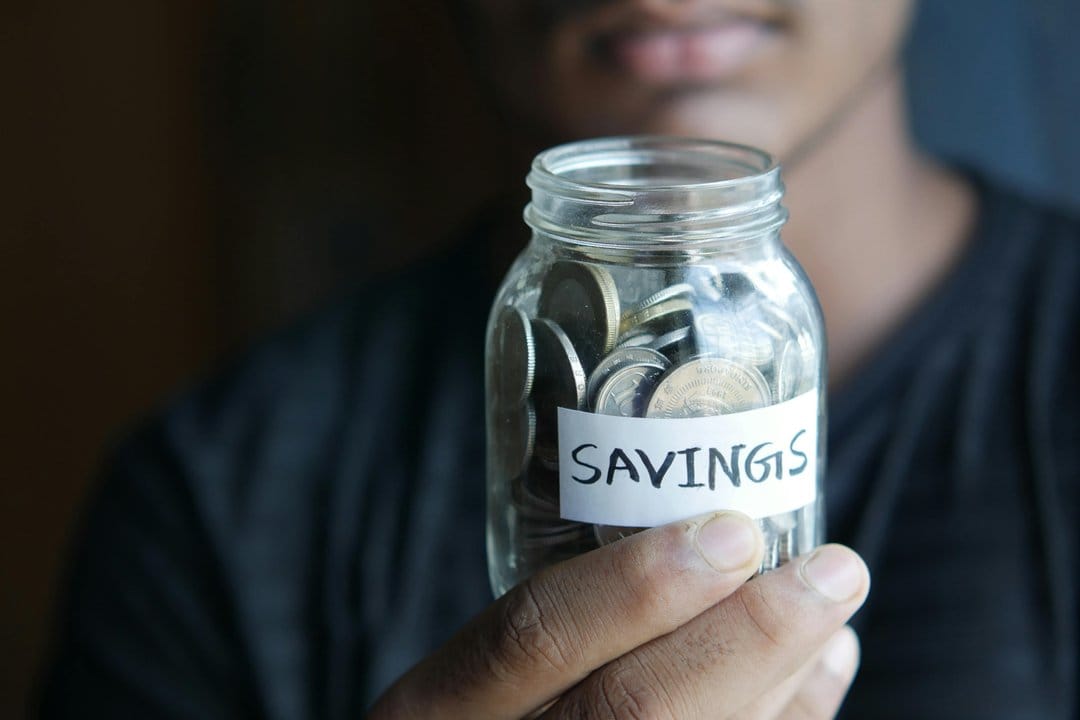
Of all the money advice that gets thrown around, the emergency fund is the one almost everyone agrees on — and the one most people quietly skip. It isn't exciting. It won't make you rich. But it is the single thing that turns a broken boiler or a sudden job loss from a crisis into an inconvenience, and that peace of mind is worth more than most people expect until they've had it.
How much do you actually need?
The familiar rule is three to six months of essential outgoings. That's a sensible target, but the number that matters isn't your salary — it's your essential spending. Rent or mortgage, council tax, energy, food, transport, minimum debt payments, insurance. Strip out the takeaways, the subscriptions you'd cancel in a tight month, and the holidays. That leaner figure is what your fund needs to cover.
Where you land in that three-to-six range depends on your life. If you're a single earner, self-employed, or on an irregular income, lean towards six months or more — your income can stop more suddenly and restart more slowly. If you're in a stable salaried job with a partner who also earns, three months may be plenty to start.
Start with a smaller win first
Six months of expenses is a daunting number, and staring at it is how people give up before they begin. So don't aim there first. Set a starter target of £1,000, or one month's essentials, whichever feels more real. That first buffer alone absorbs the most common emergencies — the car repair, the vet bill, the boiler call-out — and stops them landing on a credit card. Hit that, feel the difference, then keep going towards the bigger figure.
Where to keep it
An emergency fund has two jobs: be there instantly when you need it, and not lose value while it waits. That rules out two tempting mistakes. Don't leave it in your current account, where it quietly gets spent. And don't put it in the stock market, where it could be down 20% on the exact morning you need it.
The right home is an easy-access savings account — ideally one separate from your everyday bank, so there's a small bit of friction between you and the money. In 2026, easy-access rates from the more competitive providers remain well ahead of the high-street giants, so it's worth shopping around rather than leaving it where your salary lands. Premium Bonds are a reasonable alternative for some: the money is safe and accessible, though your "return" is a prize draw rather than guaranteed interest.
Remember the Personal Savings Allowance: basic-rate taxpayers can earn £1,000 of savings interest a year tax-free, higher-rate taxpayers £500. For most people building a first emergency fund, the interest stays comfortably inside that, so tax isn't a worry yet. If you're a higher earner, a cash ISA can shelter the interest.
The order to do it in
This is where people get stuck: should you save, clear debt, or pay into a pension first? A workable order for most people:
- 1. Build the £1,000 starter buffer. Even while you have debts. Without it, the next surprise just goes back on the card and you never escape.
- 2. Grab any free pension money. If your employer matches pension contributions, contribute at least enough to get the full match. Turning that down is leaving guaranteed money on the table.
- 3. Clear expensive debt. Credit cards and overdrafts at high interest cost you more than savings earn. Once the starter buffer exists, throw spare money at these.
- 4. Grow the fund to your full three-to-six-month target.
- 5. Then invest for the long term — pension top-ups, a stocks-and-shares ISA — with the safety net already in place.
Make it automatic
Willpower is a poor savings plan. The people who build a fund quickly are almost always the ones who set up a standing order for the day after payday, so the money moves before they can spend it. Start with whatever you can sustain — even £25 a week is £1,300 in a year — and nudge it up whenever your income rises or a debt clears.
When you've used it — and you will
The point of the fund is to be spent on real emergencies, so don't feel you've failed when you dip into it. The discipline is simply to rebuild it afterwards, with the same automatic transfer, before the money drifts elsewhere. A fund that goes up and down as life happens is doing exactly its job. A fund you're too precious to ever touch isn't an emergency fund at all — it's just savings you're afraid of.