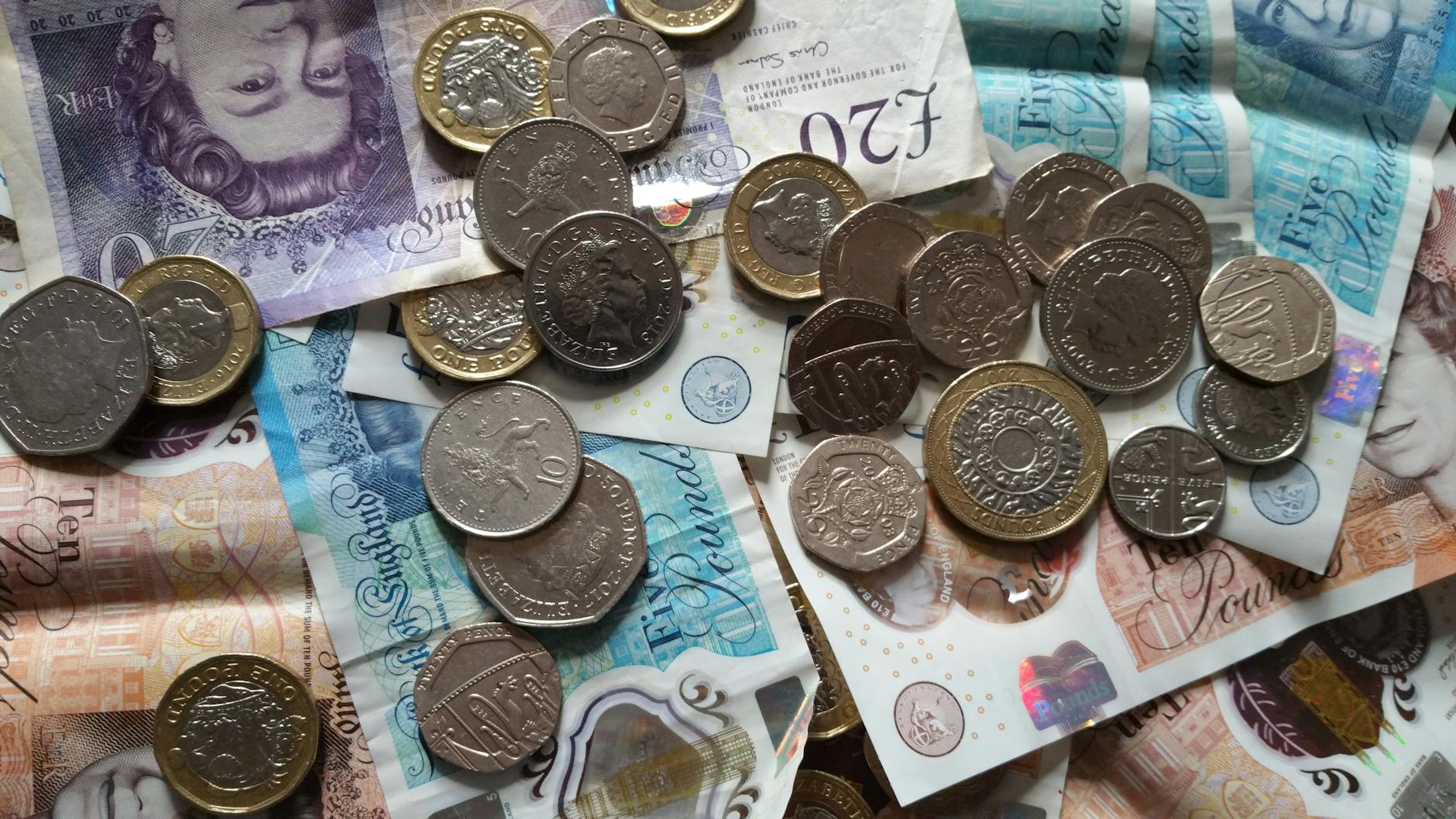
The bank-holiday weekend traditionally marks the moment when household budgets get a quick once-over before summer spending starts in earnest. School holidays, holidays abroad, garden furniture, weekend trips, the predictable July energy-bill catch-up after the spring smart-meter recalibration — it all lands in the next eight weeks, and the gap between a household that's prepared and one that's about to take a Klarna hit usually opens up right around now.
Here is what a thirty-minute review on bank-holiday Monday looks like for someone earning between £30,000 and £75,000 in 2026 — the ordinary middle band where the Bank of England rate decisions actually bite hardest.

1. Move idle current-account money to a fixed-term saver
The best easy-access savings rates in May 2026 are sitting at around 4.40 to 4.65 per cent gross with the smaller building societies — Coventry, Yorkshire, Nationwide — while the highstreet current accounts still pay a placeholder 0.10 to 1.50 per cent on credit balances. Anything above your monthly float of about £1,500 to £2,500 in a current account is, in real terms, losing roughly £35 to £55 per £1,000 per year against inflation.
Action: open one easy-access account with a building society from MoneySavingExpert's top table, transfer everything above your float. Time required: 15 minutes online if you already have your ID set up on the Open Banking apps. Annual benefit on £5,000 sitting idle: roughly £220 in interest you weren't earning.
2. Use the rest of this year's ISA allowance
The £20,000 ISA allowance resets every 6 April. You have until 5 April 2027 to use the 2026/27 allowance, but the strategy split between Cash ISA and Stocks & Shares ISA is best decided now rather than rushed in late March.
Honest split for a typical mid-earner: £2,000-£4,000 into a Cash ISA for the emergency fund (Vanguard or Fidelity if you have an existing ISA platform, Marcus by Goldman Sachs if you want bank simplicity). The rest, if you can spare it, into a low-cost global tracker through a Stocks & Shares ISA — Vanguard FTSE Global All Cap, Fidelity Index World, or HSBC FTSE All-World Index. Annual platform fee at Vanguard: 0.15 per cent capped at £375 a year. AJ Bell and Hargreaves Lansdown are 0.25 per cent or fixed, depending on the wrapper.
What you don't do: chase the highest-yielding bond fund, fund-of-funds, or anything described as "structured." Mid-band UK earners building wealth do so almost entirely through the All-World index. The platform marketing is targeted at extracting fees you won't notice for the first decade.
3. Reset the direct-debit budget for the summer months
The standard error in UK personal finance is to leave the direct-debit budget unchanged month-to-month, then panic when August arrives with the holiday booked and the back-to-school invoice in September. The realistic version of the next eight weeks costs more than the previous eight weeks did.
Sit down with your last three months of statements. Identify the seasonal categories: holidays (typical UK family-of-four to Greece or Portugal in 2026: £3,200 to £4,800), garden and outdoor (£400-700 for an average household), eating out (June and July spend approximately 35 per cent above winter baseline). Adjust the standing order to a savings pot accordingly — Monzo Pots, Starling Spaces, or a separate building-society account.
If you already know the holiday is on the credit card with 0 per cent for 22 months: build the £4,000 repayment schedule into the standing order now, not in October when the rate is about to flip.
4. Check the energy-tariff renewal window
If your fix expired between February and May 2026, you're on the Ofgem cap, which for May 2026 sits at approximately £1,720 per year for a typical dual-fuel household — up about 4 per cent on the spring cap. Fixes have come back to about 3-7 per cent below the cap for one-year deals from Octopus, EDF, and the smaller suppliers.
The honest decision tree: if you live in a poorly-insulated three-bedroom semi using more than 14,000 kWh of gas annually, lock the fix. The cap will likely move up again in October. If you live in a flat using under 7,500 kWh combined, the cap is probably the right choice for now — switching costs in lost cashback usually outweigh the saving on small accounts.
5. Tackle the pension contribution that you haven't reviewed since starting the job
The single most underused area of personal finance for UK workers between 30 and 50 is the workplace pension contribution rate. Default at most employers is the auto-enrolment minimum: 5 per cent employee, 3 per cent employer.
If you can shift to 6 per cent and your employer matches up to 6 per cent (very common at financial-services and tech employers in the UK in 2026), you have effectively given yourself a 3 per cent pay rise that goes into a tax-advantaged wrapper. The opportunity cost of waiting another year to do this, for a £45,000 earner: roughly £1,350 of foregone employer contribution plus the tax relief.
Check the staff handbook or your HR portal in the next ten minutes. If your employer matches above the auto-enrolment minimum and you haven't ticked the box, you are leaving money on the table that you have already earned.
The thirty-minute Sunday list
Open an easy-access savings account. Move idle current-account cash. Reset the direct debit. Check the energy-tariff renewal. Bump the pension by one percentage point. Total time: under an hour. Total impact on the next twelve months: somewhere between £400 and £1,800 depending on your starting point.
None of this is exotic. None of it requires understanding gilt curves or whether the dollar will hold its bid. It is just the basics, done on the Sunday afternoon rather than postponed until the next time the news flashes another rate-decision alert at you. That is the only financial advice most middle earners need this bank holiday.